
Exploring the psychology behind casino games and player behavior
The Thrill of Uncertainty
The psychology of casino games is deeply rooted in the thrill of uncertainty. Players are drawn to the unpredictable nature of games such as slots and roulette, where outcomes are determined by chance. This uncertainty creates a dopamine response in the brain, leading to feelings of excitement and pleasure. The anticipation of winning can often overshadow the reality of losing, driving players to engage in repetitive gaming behavior in hopes of that elusive big win. Many may seek alternatives like non gamstop betting to diversify their experiences.
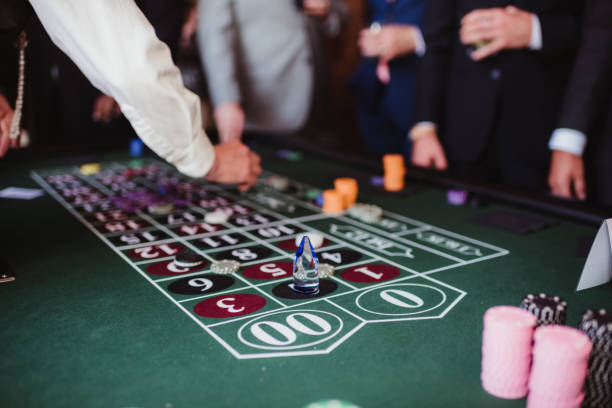
Moreover, this thrill is often enhanced by the sensory elements of a casino environment. Bright lights, engaging sounds, and vibrant colors stimulate the senses, further amplifying the emotional highs associated with gambling. Casinos are designed to keep players in a state of excitement, making it difficult for individuals to rationalize their decisions and assess their gambling behavior critically.
The Role of Social Influence
Another significant aspect influencing player behavior in casinos is social dynamics. The presence of other players can amplify the emotional experience of gaming, creating an atmosphere of camaraderie that encourages participation. Players may feel pressured to engage in certain games or behaviors based on the actions and reactions of those around them, as social acceptance and group dynamics play a pivotal role in the gambling experience.
Additionally, casinos frequently host events, promotions, and tournaments that foster a sense of community among players. This social aspect can make gambling feel more enjoyable and less isolating, which can contribute to a player’s willingness to spend time and money in these environments.
The Impact of Cognitive Biases
Cognitive biases significantly influence how players perceive their gambling activities. For instance, the illusion of control leads players to believe they can influence outcomes in games of chance, such as poker or sports betting. This false sense of agency can encourage players to engage in riskier behaviors, as they overestimate their chances of winning based on their decisions.
Furthermore, the gambler’s fallacy may cause individuals to make erroneous assumptions about future outcomes based on previous results, leading them to chase losses or continue playing in hopes that luck will turn in their favor. Understanding these biases is crucial for recognizing the psychological traps that can lead to problematic gambling behavior.
Developing Gambling Addiction
Gambling addiction, or compulsive gambling, is a serious issue that can arise from the psychological mechanisms inherent in casino games. The interplay of excitement, social influence, and cognitive biases can create a perfect storm that leads individuals to gamble beyond their means. The cycle of winning and losing can become addictive, with players seeking to recreate the euphoria associated with their initial wins.
As time goes on, individuals may start to exhibit signs of addiction, such as neglecting responsibilities, experiencing mood swings, or lying about their gambling habits. It is crucial to understand the psychological foundations of this addiction to foster awareness and develop strategies for prevention and treatment.
Promoting Responsible Gaming Awareness
In light of the psychological factors influencing player behavior, promoting responsible gaming is essential for casinos and players alike. Awareness initiatives can help educate individuals on the risks associated with gambling and encourage them to establish limits on their spending and time at the casino. Providers have a responsibility to create an environment that supports healthy gaming habits while offering resources for those who may be struggling.
Ultimately, fostering a culture of responsibility can lead to a more sustainable gaming experience for all. Casinos can play a vital role in this by implementing programs focused on player education, providing access to support systems, and actively promoting a safe and enjoyable gambling atmosphere.