Antidepressants: Selecting one that’s right for you
People who take lithium with sertraline may need to be closely monitored for serotonin syndrome and changes in heart rhythm. Healthcare providers will typically try to avoid prescribing these antipsychotic drugs with sertraline due to the serious risk. Still, it’s important to watch for symptoms of serotonin syndrome when using these combinations. Using it with other serotonin-increasing medications, like the attention deficit hyperactivity disorder (ADHD) medication Adderall, can raise your risk.
Common side effects such as headache, sleep difficulties, dry mouth, sweating, and loss of appetite are typically mild and may subside in a few days or weeks. Also, let your doctor know if you have a history of drug abuse. Discuss the benefits and risks with your child’s doctor before making a decision. Since 2005, all SSRIs have carried “black box” warnings from the FDA regarding a higher risk for suicidal ideation and behavior in children.
Obsessive–compulsive disorder
In the treatment of depression accompanied by OCD, sertraline performs significantly better than desipramine on the measures of both OCD and depression. Sertraline appears to work better in melancholic depression than fluoxetine, paroxetine, and mianserin and is similar to the tricyclic antidepressants such as amitriptyline and clomipramine. In several double-blind studies, sertraline was consistently more effective than placebo for dysthymia, a more chronic variety of depression, and comparable to imipramine in that respect. Sertraline’s effectiveness is similar to that of other antidepressants in its class, such as fluoxetine and paroxetine, which are also considered first-line treatments and are better tolerated than the older tricyclic antidepressants. It was also the eleventh most commonly prescribed medication in the United States, with more than 42 million prescriptions in 2023, and sertraline ranks among the top 10 most prescribed medications in Australia between 2017 and 2023.
Speak with your healthcare provider if you experience bothersome side effects or if these effects don’t go away. Knowing what to expect and finding ways to cope can help you better manage these side effects. Nancy has a lifetime of experience with depression, experiencing firsthand how devastating this illness can be. Nancy Schimelpfening, MS is the administrator for the non-profit depression support group Depression Sanctuary.
Drugs That Affect Heart Rhythm
Continuing sertraline treatment helps prevent relapses of OCD with long-term data supporting its use for up to 24 months. Sertraline has much lower rates of adverse effects than these TCAs, with the exception of nausea, which occurs more frequently with sertraline. Compared with amitriptyline, sertraline offered a greater overall improvement in quality of life of depressed patients.
Antidepressants: Selecting one that’s right for you
- However, as with other antidepressants, the nature and clinical significance of this effect remain disputed.
- The pandemic has led to an increase in searches for antidepressants, with sertraline, fluoxetine, duloxetine, and venlafaxine showing the highest search volumes, whereas searches of citalopram decreased during the pandemic.
- Talk to your physician about your symptoms if you are concerned about side effects.
- They can suggest ways to cope or make medication changes if needed.
You may or may not quickly begin to feel the effects. Both liquid and tablet forms of the medication are available. After six to eight weeks, you may see a more noticeable impact on the symptoms of your condition. Sleep improvements and a better appetite are changes you may see during your first month or so of taking your medication. Zoloft takes time to work, so you may wonder how to tell if your medication is helping. Your doctor may recommend changing when you take your medication depending on the effect you experience.
Coping With Zoloft Side Effects
CYP2C19 and CYP2B6 are thought to be the key cytochrome P450 enzymes involved in the metabolism of sertraline. Unchanged sertraline was not detectable in urine, whereas 12 to 14% of unchanged sertraline was present in feces. In a small study of two males, sertraline was excreted to similar degrees in urine and feces (40 to 45% each within 9 days). The elimination half-life of sertraline is on average 26 hours, with a range of 13 to 45 hours. In addition to the cytochrome P450 system, sertraline can be oxidatively deaminated in vitro by monoamine oxidases; however, this metabolic pathway has never been studied in vivo. Based on in vitro studies, sertraline is metabolized by multiple cytochrome 450 isoforms; however, it appears that in the human body CYP2C19 plays the most important role, followed by CYP2B6.
Weight Gain
People can sometimes minimize these symptoms by taking Zoloft immediately after sex or adjusting treatment with their physician’s advice. Sexual side effects of sertraline include a loss of desire or sex drive and difficulties related to arousal and orgasm. However, some strategies can help people manage this side effect, such as taking the medication in the morning.
Other Antidepressants
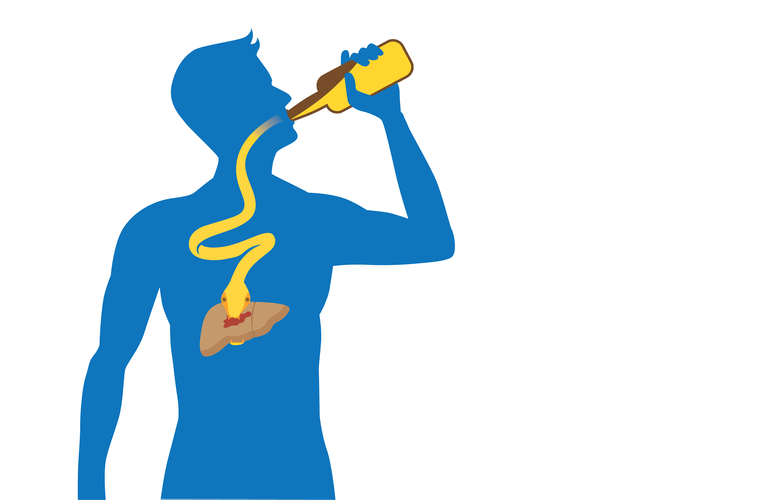
In 2016, sertraline was the most commonly prescribed psychotropic medication in the United States. All SSRIs, including Zoloft, carry a risk for a collection of withdrawal symptoms known zoloft and pepcid as SSRI discontinuation syndrome. Although many young people successfully take these common medications, informed consent is important. Avoid alcohol and illegal drugs while using sertraline. Serotonin syndrome can be life-threatening and lead to symptoms such as anxiety, confusion, fever, high blood pressure, irregular heartbeat, and seizures. It takes time for the medication to reach a steady state in your body and gradually increase the serotonin in your brain.
However, sertraline affinity for its main target (SERT) is much greater than its affinity for σ1 receptor and DAT. By binding to the serotonin transporter (SERT) it inhibits neuronal reuptake of serotonin and potentiates serotonergic activity in the central nervous system. As expected from in vitro data, sertraline did not alter the human metabolism of the CYP3A4 substrates erythromycin, alprazolam, carbamazepine, clonazepam, and terfenadine; neither did it affect metabolism of the CYP1A2 substrate clozapine. Bupropion is metabolized by CYP2B6, which is inhibited by sertraline, and this may result in an interaction between sertraline and bupropion. Considered separately, sertraline use in adults decreased the odds of suicidal behavior with a marginal statistical significance of 37% or 50% depending on the statistical technique used.
Less Common Zoloft Side Effects
Welch generated several potent norepinephrine and triple reuptake inhibitors, but to the surprise of the scientists, one representative of the generally inactive cis-analogs was a serotonin reuptake inhibitor. Development of tametraline was soon stopped because of undesired stimulant effects observed in animals. The history of sertraline dates back to the early 1970s when Pfizer chemist Reinhard Sarges invented a novel series of psychoactive compounds, including lometraline, based on the structures of the neuroleptics thiothixene and pinoxepin. Several notable analogues sertraline are known, including desmethylsertraline, dasotraline, tametraline, and lometraline.
- It works by preventing the reabsorption of serotonin (the “feel good” neurotransmitter) so more is available in the system.
- Let your doctor know right away if you experience more severe side effects such as chest pain, skin rash, vomiting, anxiety, diarrhea, aggression, or confusion.
- It takes time for the medication to reach a steady state in your body and gradually increase the serotonin in your brain.
- Another meta-analysis relegated sertraline to the second line, proposing trauma focused psychotherapy as a first-line intervention.
Premenstrual dysphoric disorder
Work functioning and physical symptoms, such as swelling, bloating, and breast tenderness, were less responsive to sertraline. The improvement began during the first week of treatment, and in addition to mood, irritability, and anxiety, improvement was reflected in better family functioning, social activity, and general quality of life. Significant improvement was observed in 50–60% of cases treated with sertraline vs. 20–30% of cases on placebo. The improvement is greater among the patients with later, adult onset of the disorder. Maintenance treatment, after the response is achieved, prevents the return of the symptoms.
They may recommend resuming your medication, switching to a different type of antidepressant, or treating your condition with psychotherapy. If you begin experiencing depression, anxiety, or other mental health concerns. Although the syndrome is not generally considered dangerous, the symptoms can be distressing. Common sertraline withdrawal symptoms include odd electrical sensations known as “brain jolts” or “brain zaps,” dizziness, and headaches. Let your doctor know right away if you experience more severe side effects such as chest pain, skin rash, vomiting, anxiety, diarrhea, aggression, or confusion. Like all medicines, Zoloft carries a risk for side effects.
International Patients
Plasma, serum or blood concentrations of sertraline and norsertraline, its major active metabolite, may be measured to confirm a diagnosis of poisoning in hospitalized patients or to aid in the medicolegal investigation of fatalities. The more complete data submitted later by the sertraline manufacturer Pfizer indicated increased suicidal behavior. For the above analysis, the FDA combined the results of 295 trials of 11 antidepressants for psychiatric indications to obtain statistically significant results. The withdrawal symptoms for sertraline are less severe and frequent than for paroxetine, and more frequent than for fluoxetine. The unique effect of sertraline on dopaminergic neurotransmission may be related to these effects on cognition and vigilance.
Both triptans and sertraline increase serotonin. St. John’s wort is an herbal dietary supplement that many people take for mild to moderate symptoms of depression, as well as various other conditions. Nonsteroidal anti-inflammatory drugs are commonly used to help relieve pain, inflammation, and fever. They are not as commonly prescribed due to their side effects and drug and food interactions. Monoamine oxidase inhibitors are an older class of drugs used to treat depression.
Another meta-analysis relegated sertraline to the second line, proposing trauma focused psychotherapy as a first-line intervention. Other guidelines also suggest sertraline as a first-line option for pharmacological therapy. Sertraline is equally effective for men and women, and for patients with or without agoraphobia. The treatment recommendation is to start treatment with half of the maximal recommended dose for at least two months. It was better tolerated and, based on intention-to-treat analysis, performed better than the gold standard of OCD treatment clomipramine. However, in a 2003 trial the effect size was modest, and there was no improvement in quality of life as compared to placebo.