
Alcohol Drinkers Nose: Understanding Rhinophyma
While early rosacea causes mild facial redness, drinker’s nose represents irreversible damage requiring https://bregu.gr/2022/02/what-is-the-abstinence-violation-effect-and-how-do/ surgical intervention. The progression from mild rosacea to severe drinker’s nose typically takes years of untreated symptoms combined with alcohol abuse. A primary cause of rhinophyma is severe, untreated rosacea, a chronic inflammatory skin condition.
What is an Alcoholic Nose?
Other hormonal fluctuations, such as those occurring during pregnancy or with certain medical conditions, can also affect rosacea symptoms. Some research suggests that hormones may influence sebaceous gland activity and inflammation patterns in ways that contribute to the tissue overgrowth seen in rhinophyma. Texture changes are also prominent, with the skin becoming thick and bumpy, often described as having an “orange peel” appearance. Visible blood vessels, called telangiectasias, become prominent across the surface of the nose. In advanced cases, the nostrils may become distorted due to the tissue overgrowth, and the tip of the nose can become significantly enlarged.
Purple Nose Alcohol Nose Condition
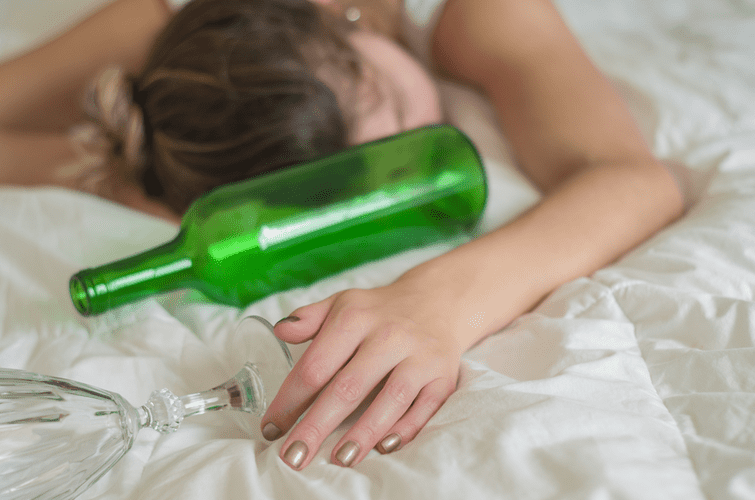
The skin of individuals with rosacea is often more sensitive to changes in temperature, certain foods, and emotional stress, but alcohol stands out as a particularly strong trigger. When alcohol causes blood vessels to dilate, it not only leads to immediate redness but can also contribute to long-term damage, such as the enlargement of blood vessels (telangiectasia). This enlargement can make the purple discoloration on the nose more permanent, even when alcohol is not being consumed. Therefore, limiting or avoiding alcohol is frequently recommended as part of a comprehensive rosacea management plan.
Addressing the Stigma
Awareness and moderation remain the most powerful tools in preventing this and other alcohol-related conditions. Dermatological treatments such as laser therapy or topical medications can alcoholic nose pictures reduce redness and inflammation. Lifestyle changes, including reducing the use of alcohol, avoiding triggers, and maintaining a healthy diet, are essential for long-term improvement. Consulting with a medical professional is crucial for personalized care and effective results.
- Medication can also be used to help manage withdrawal symptoms and cravings.
- It is classified as a severe subtype of rosacea, a chronic inflammatory skin condition.
- Basal cell carcinoma is a slow-growing type of skin cancer that is not typically fatal.
Don’t let addiction dim your light.
- An alcohol nose is a condition caused when alcohol is broken down in the body, producing an unpleasant smell.
- Most people with alcohol addiction require intensive detox and treatment services to stop drinking.
- Experts believe this disparity may be linked to androgens (male hormones) and differences in sebaceous gland activity.
- Some treatment providers appearing on this site are paid advertisers, which are always clearly identified.
- Rosacea causes redness, swelling, and bumps on the skin, primarily on the face and neck.
Rosacea causes facial redness and can progress to rhinophyma if not managed effectively. The condition predominantly affects individuals with fair skin and a genetic predisposition. While it’s true that chronic alcohol abuse Oxford House can lead to many health problems, there is no definitive evidence that drinking alcohol causes the so-called alcoholic nose. Rhinophyma is a skin condition marked by a large red, bumpy, bulbous nose.
For instance, low doses of isotretinoin (Accutane) may be prescribed to help address enlarged oil glands. Ria Health offers several FDA-approved medications for alcohol use disorder. Before starting treatment, each person will undergo an assessment to determine which levels of care and types of treatment would support their goals. These changes can make it very hard for someone to stop drinking when they choose.

What are the early stages of rhinophyma?
For people who develop rhinophyma, their face skin thickens, especially around the nose. Additional signs include an oily appearance of the skin, prominent pores, and, in more advanced cases, nodular growths or hardened tissue. In severe cases, the excess tissue growth can obstruct nasal passages or impair normal breathing. This condition is characterized by a gradual change in the appearance and texture of the nose.